
Crypto Wallet Security: Four Checks Before Funding
A wallet purchase is only the beginning. Protect the recovery method, understand what you sign and test the setup before trusting it with meaningful funds.
Four checks, before money moves
Stop if the device arrives with a preset PIN or filled-in recovery words.
What to check and why it matters
Trace the seller through the manufacturer's official reseller directory, not a marketplace badge alone. Check the exact model and the seller shown at checkout. On arrival, follow the model's official authenticity procedure and install companion software only from the official download path. Packaging is one signal, not a guarantee. If anything is inconsistent, do not fund the wallet; contact the manufacturer through its own website.
Trezor: official purchase and security checksNever share recovery words, photograph them or paste them into a website.
What to check and why it matters
Create the backup through the device's official setup workflow. Follow its exact format: words, shares and optional passphrases are not interchangeable. Keep the backup offline and protected against both theft and damage. A second copy can reduce one-location loss while increasing exposure if badly stored. A durable metal carrier may help with physical damage, but it cannot stop theft or fix an incorrectly recorded backup. Check word count and standard compatibility before buying any accessory.
Ledger: recovery and hardware-wallet practicesReject anything you cannot understand or verify on the trusted display.
What to check and why it matters
Confirm the network, destination, amount and fees using the official wallet workflow. With hardware, compare against the device display, not just a browser overlay. Token approvals and contract interactions can authorize spending rather than transfer a fixed amount. A hardware wallet cannot make a malicious approval safe. Do not sign because a support agent, giveaway or timer says you must. Disconnect and investigate through official documentation if the request differs from your intent.
Ledger: transaction verification responsibilitiesDo not wipe your only funded wallet to try a recovery tutorial.
What to check and why it matters
Use the manufacturer's supported backup-check procedure on the new setup first. Where a recovery rehearsal is appropriate, follow the exact model instructions using an empty or deliberately tiny test wallet. Do not improvise recovery by entering hardware-wallet secrets into a computer. Then make a small transfer and confirm it arrived on the expected network. Keep a private plan for locating the backup and identifying the recovery method; do not include secrets in ordinary notes, email or this checklist.
Bitcoin.org: backups and recovery planningA personal reminder, not a security test. Marking all four does not certify a device or transaction. Checks reset when you leave this page; no wallet data or recovery secrets are requested or stored.
If something already looks wrong
A site or support message asks for my recovery words
Stop interacting with it. Do not send a phrase, private key or screen recording. Navigate independently to your wallet manufacturer's support site. A person who can reconstruct your recovery secret may be able to control your funds.
If you already exposed it, treat the wallet as compromised. Seek the manufacturer's official incident guidance from a trusted device. Changing a device PIN does not revoke a leaked recovery phrase; a recovery service that asks for an advance payment is another warning sign.
I approved something I did not understand
Do not keep signing follow-up requests that promise to undo the first one. Identify the network and transaction using the official wallet interface and a legitimate block explorer. A confirmed transfer is generally not reversible by the wallet maker.
A token approval can remain active after disconnecting a site. Follow the network's official guidance to inspect permissions; do not use an unsolicited "revoke" link. Moving assets or changing permissions is a separate transaction with its own risks and fees.
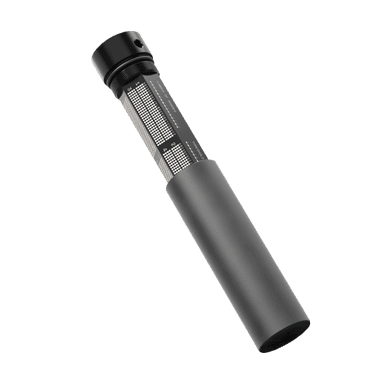
A stronger backup is not just an accessory.
Start with a correctly recorded, private backup. Before choosing a metal carrier, check the recovery format, number of words and how it will be stored. A wrong-format product adds cost without making recovery possible.
Compare recovery requirementsSources & selection
Selected from author, publisher and official documentation. No hands-on product test or complete-book review is claimed. Fit and limitations are our editorial interpretation, not a safety certification or investment recommendation.
- Trezor: official Amazon stores and authenticity checks
- Ledger: authorized reseller directory
- Ledger: hardware wallet security practices
- Bitcoin.org: securing your wallet
Found an error? Send a correction. Commercial links do not determine editorial conclusions.